Description
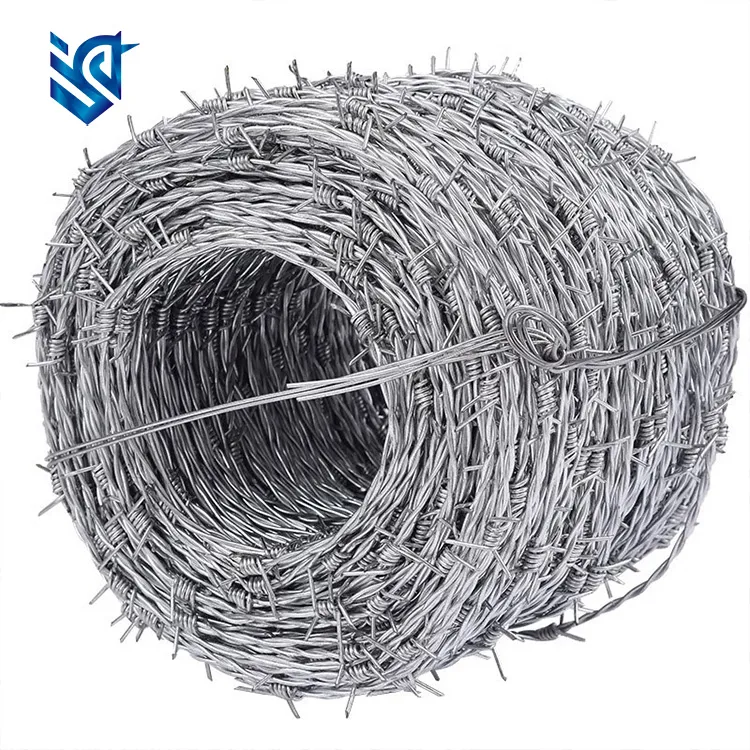
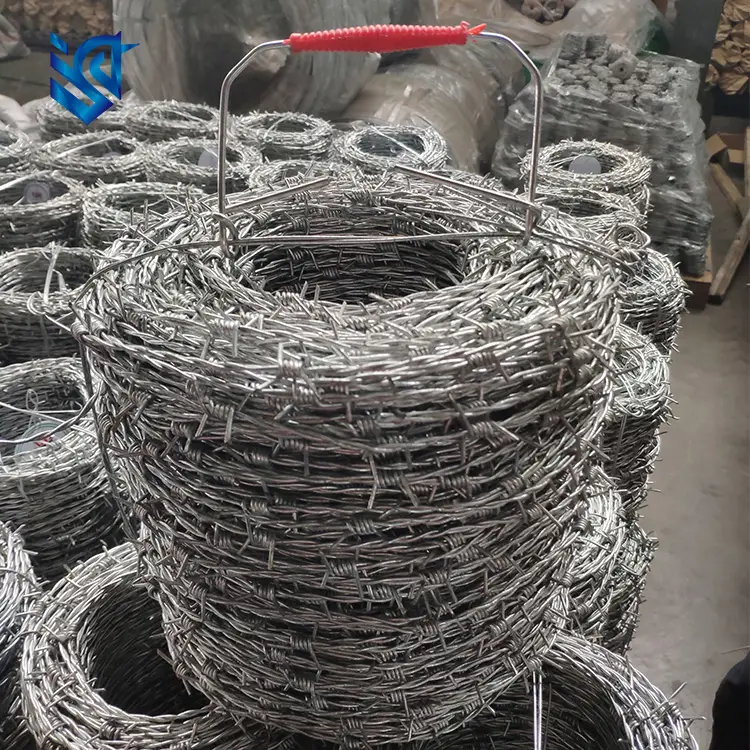
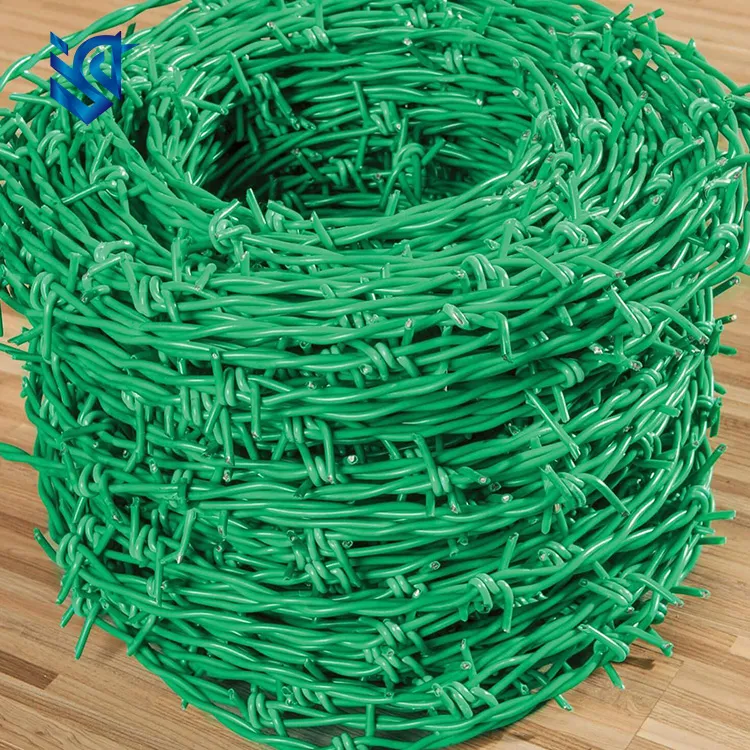
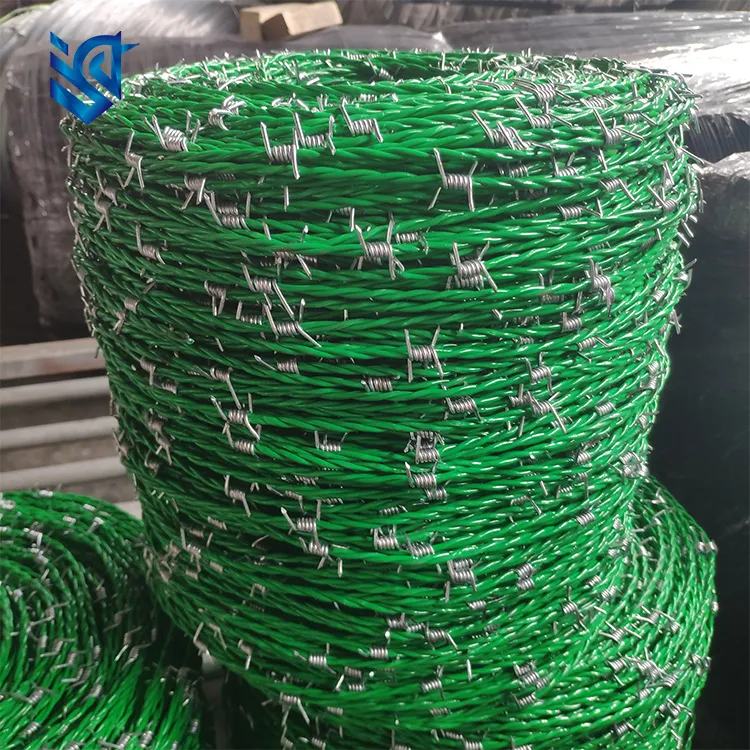
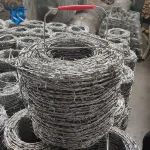
Barbed wire is a widely recognized and trusted product used for security and containment purposes across various industries and environments. Comprising a strong wire strand with sharp barbs twisted at regular intervals, barbed wire serves as an effective barrier to prevent unauthorized access, control livestock, and enhance perimeter security.
Material:
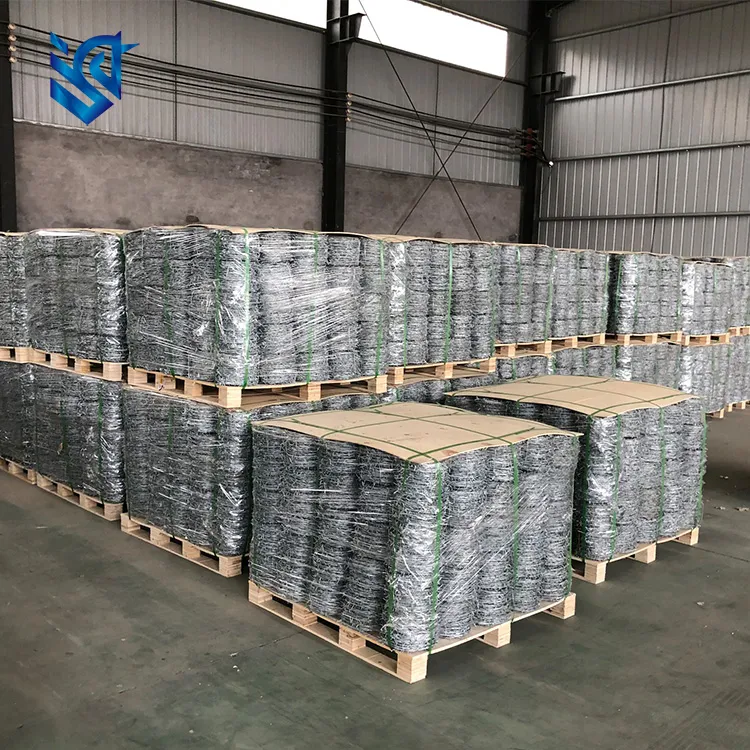
Galvanized Steel: The most common material used, offering excellent resistance to rust and corrosion, making galvanized barbed wire ideal for outdoor use in diverse weather conditions.
Stainless Steel: Provides superior corrosion resistance and longevity, suitable for environments with high exposure to moisture or chemicals.
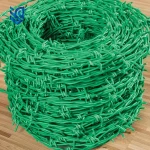
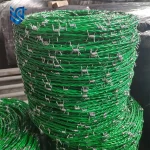
PVC-Coated: Adds an extra layer of protection and is available in various colors for added visibility or aesthetic integration with the surroundings.
Barb Spacing and Configuration:
Standard Spacing: Barbs are typically spaced 3 to 5 inches apart, with options available for closer or wider spacing depending on the security level required.
Barb Length: Barbs generally range from 13 mm to 25 mm in length, providing a balance between deterrence and safety.
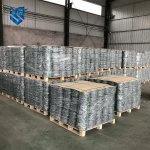
Barbed Wire Roll Length: 50m to 300m usually.
Single or Double Strand: Barbed wire can be manufactured with either a single strand of wire or a double strand for added strength and durability.
Types of Barbed wire:
Two-Point Barbs: The standard configuration with two sharp points for general-purpose use.
Four-Point Barbs: Offers enhanced security with four sharp points, making it more difficult to breach.
Wire Gauge:
Typically ranges from 12 to 16 gauge, depending on the strength and application requirements.
Applications:
- Agricultural barb wire fence:Commonly used to contain livestock such as cattle, horses, and sheep, preventing them from straying or being harmed by predators.
- Perimeter Security:Widely used in military installations, industrial sites, prisons, and other high-security areas to prevent unauthorized access.
- Residential Use:Often employed as a top layer for fences around homes or properties to deter intruders.
- Construction Sites:Provides a temporary yet effective barrier to protect construction zones from unauthorized entry.
Advantages of Barbed Wire:
- Cost-Effective:Barbed wire is an economical choice for creating long stretches of fencing, offering security without the need for expensive materials or complex installations.
- Easy Installation:It can be quickly and easily installed using posts and tensioning equipment, making it a practical choice for large-scale projects.
- Low Maintenance:Requires minimal upkeep once installed, with galvanized and PVC-coated options offering long-lasting protection against the elements.
- Versatile:Suitable for various terrains, including flat, hilly, and uneven landscapes.
At Anping barbed wire factory, we offer a range of high-quality barbed wire products designed to meet the specific needs of our clients. Whether you’re securing a farm, protecting a commercial property, or enhancing perimeter defenses, our barbed wire solutions provide the reliability and durability you need to ensure peace of mind.
| Gauge of Strand and Barb in B.W.G. |
Approximate Length per Kilo in Meter | |||
| Barbs Spacing 3″ | Barbs Spacing 4″ | Barbs Spacing 5″ | Barbs Spacing 6″ | |
| 12×12 | 6.0617 | 6.7590 | 7.2700 | 7.6376 |
| 12×14 | 7.3335 | 7.9051 | 8.3015 | 8.5741 |
| 12-1/2×12-1/2 | 6.9223 | 7.7190 | 8.3022 | 8.7221 |
| 12-1/2×14 | 8.1096 | 8.814 | 9.2242 | 9.5620 |
| 13×13 | 7.9808 | 8.899 | 9.5721 | 10.0553 |
| 13×14 | 8.8448 | 9.6899 | 10.2923 | 10.7146 |
| 13-1/2×14 | 9.6079 | 10.6134 | 11.4705 | 11.8553 |
| 14×14 | 10.4569 | 11.6590 | 12.5423 | 13.1752 |
| 14-1/2×14-1/2 | 11.9875 | 13.3671 | 14.3781 | 15.1034 |
| 15×15 | 13.8927 | 15.4942 | 16.6666 | 17.5070 |
| 15-1/2×15-1/2 | 15.3491 | 17.1144 | 18.4060 | 19.3386 |