Description
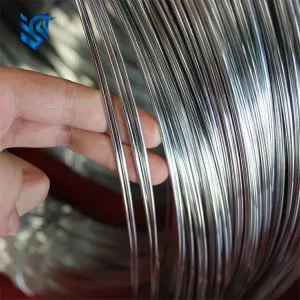
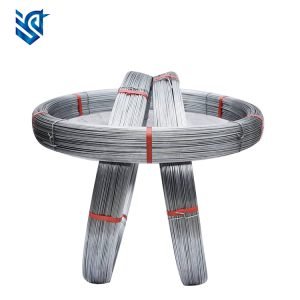
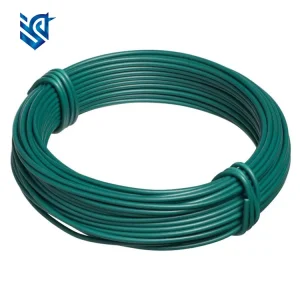
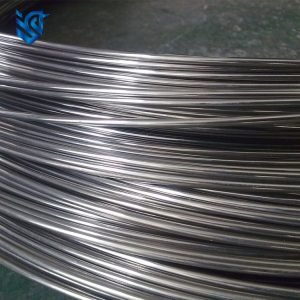
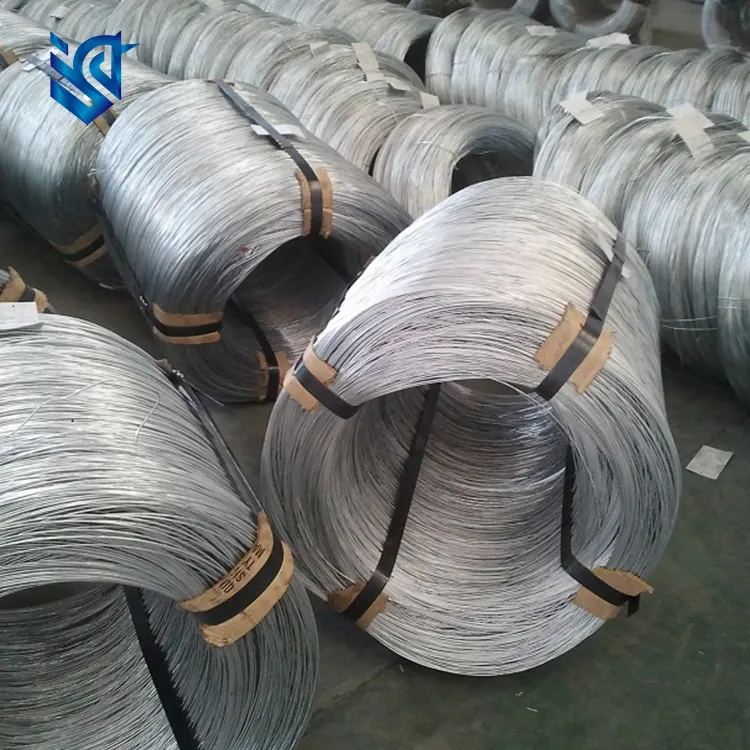
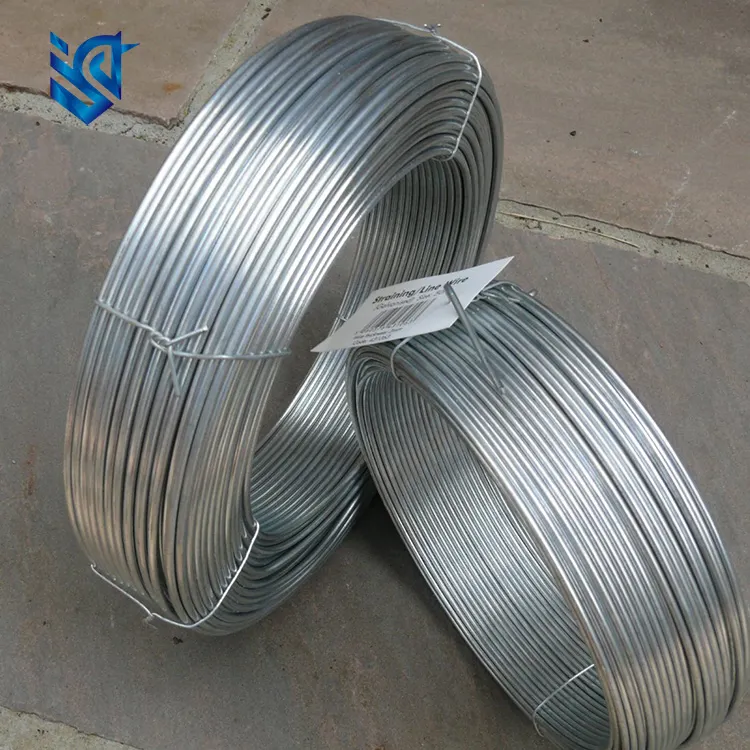
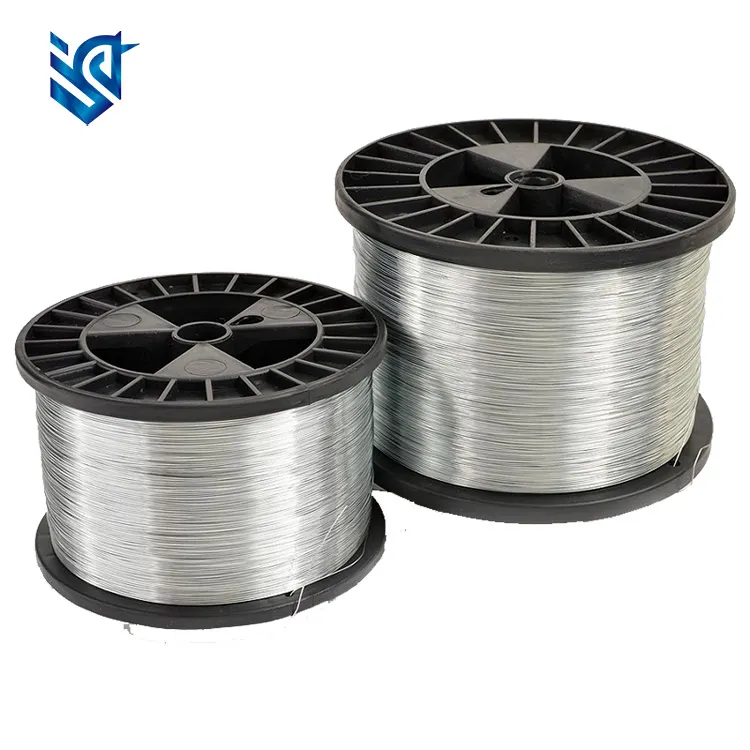
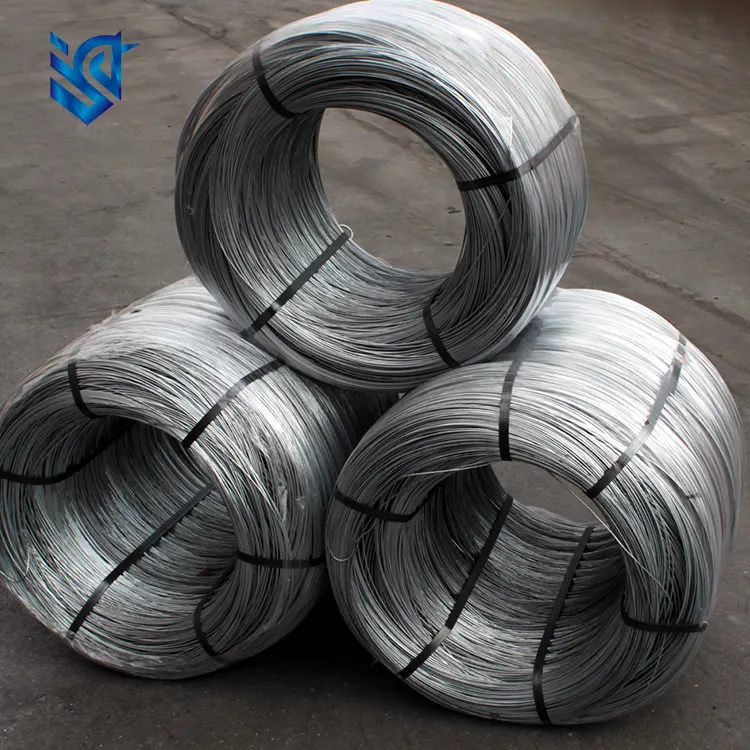
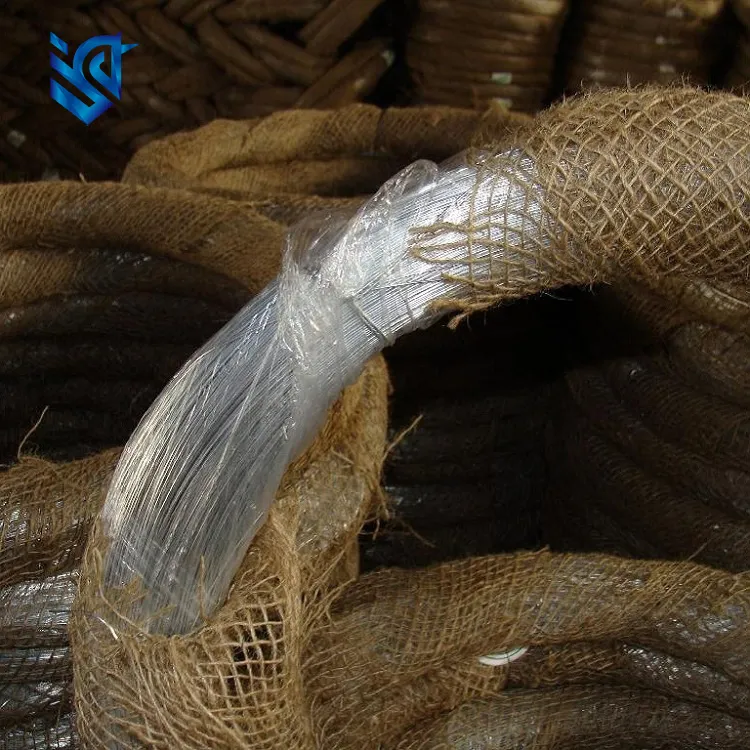
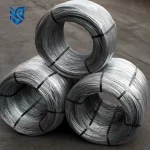
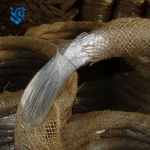
Galvanized wire is a widely used and highly durable material known for its excellent corrosion resistance, making it ideal for a broad range of applications across various industries. This gi wire is manufactured by coating high-quality steel wire with a layer of zinc, which protects the underlying steel from rust and extends its lifespan, even in harsh environments.
Material Composition:
High-Quality Steel: The core of galvanized wire is made from high quality low-carbon or high-carbon steel, providing the necessary strength and flexibility for diverse applications.
Zinc Coating: The galvanized iron wire is coated with a layer of zinc through either hot-dip galvanization or electro-galvanization, both of which offer robust protection against corrosion, we can also call it zinc coated wire.
Galvanization Process:
Hot-Dip Galvanization: Involves dipping the steel wire into molten zinc, creating a thick, durable coating that provides superior corrosion resistance and long-term protection.
Electro-Galvanization: Uses an electrochemical process to apply a thinner zinc coating, offering a smooth finish and protection suitable for less demanding environments.
Wire Diameter: Available in a wide range of diameters, typically from 0.5 mm to 5.0 mm, to suit different application requirements.
Types of Galvanized Wire:
Soft Galvanized Wire: Flexible and easy to work with, ideal for tying, bundling, and fastening applications.
Hard Galvanized Wire: Offers higher tensile strength, suitable for more demanding uses like fencing and construction.
Coating Thickness: The thickness of the zinc coating varies depending on the galvanization method and the intended use, with hot-dip galvanized wire generally having a thicker coating compared to electro galvanized wire.
Applications of Galvanized Wire:
- Fencing:Widely used in agricultural, industrial, and residential fencing, galvanized wire provides a durable and rust-resistant solution for securing properties and containing livestock.
- Construction:Employed in construction for reinforcing structures, binding materials such as galvanised binding wire, and as a component in wire mesh and gabions.
- Agriculture:Used for trellising crops, tying vines, and constructing animal enclosures, where its strength and resistance to weathering are essential.
- Crafting and Art:Popular in crafting and art projects due to its malleability and ability to hold shapes, making it perfect for creating sculptures, wreaths, and other decorative items.
- Electrical Applications:Used as grounding wire and in other electrical installations where corrosion resistance is critical for safety and longevity.
- Automotive and Marine Industries:Utilized in applications where exposure to moisture and corrosive environments is common, such as in car parts and marine hardware.
Advantages of Galvanized Wire:
- Corrosion Resistance:The zinc coating effectively shields the steel from rust, making galvanized wire ideal for outdoor and moisture-prone environments.
- Durability:Galvanized wire offers a long service life, reducing the need for frequent replacements and maintenance.
- Versatility:Available in various diameters and forms, galvanized wire can be used in a wide range of applications, from construction to crafts.
- Cost-Effective:Provides an economical solution for applications requiring corrosion resistance, with a lower overall cost compared to stainless steel.
- Ease of Use:The wire is easy to handle, cut, and shape, making it a practical choice for both industrial and DIY projects.
We offer a comprehensive range of galvanized wire products tailored to meet the specific needs of our customers. Whether you need wire for fencing, construction, or any other application, our galvanized wire ensures reliable performance, longevity, and resistance to the elements. With our commitment to quality and customer satisfaction, you can trust us to deliver galvanized wire solutions that exceed your expectations.